
 100% Confidential
- FDA-Approved Treatment
TMS Therapy
for Depression & Anxiety
A non-invasive, FDA-approved, drug-free treatment for depression when medications haven’t worked
You don’t have to keep living with depression and anxiety that isn’t getting better.
TMS (Transcranial Magnetic Stimulation) uses gentle magnetic pulses to activate parts of the brain that control mood, helping you feel better without medication.
- FDA-approved since 2008 and widely used when other treatments haven’t worked
- Up to 60% of patients experience significant improvement
- No medication, no sedation, and no downtime
- Often covered by insurance, with many patients paying little to nothing
Call or get started online. Our team verifies your insurance and walks you through every step.
of patients experience significant improvement with TMS when medications haven’t been effective
100% Confidential

FDA
Approved for treatment-resistant depression
60%
Experience significant improvement within days
$0
Many patients pay with insurance coverage
5 Star
Real experiences from people who found relief with TMS after medications hadn’t worked.

Sophia K.
★★★★★
“In about a month, I went from years of treatment-resistant depression to feeling like myself again. I was able to stop multiple medications and start functioning again.”

Mason R.
★★★★★
“TMS made a real difference in my mood and emotional stability. I’m over a year free from a suicide attempt, which is something I never thought I’d be able to say.”

Danielle T.
★★★★★
“I went from constant suicidal thoughts to actually feeling a spark for life again. I’m not perfect, but I’m doing so much better now.”

Brandon L.
★★★★★
“The first few sessions were a little uncomfortable, but after that I had no real side effects. It ended up being one of the best decisions I’ve made.”
The science behind TMS
How TMS works and why it helps when medications haven’t
Depression can affect how certain areas of the brain control mood. When those areas become less active, it can make it difficult to feel better, even with medication.
TMS works differently. It uses gentle magnetic pulses to activate these areas and help restore normal brain function.
Because it targets the brain directly, TMS can help when medications haven’t been effective.
TMS is FDA-cleared for depression, including anxious depression, which is why many people also notice improvement in anxiety symptoms.
Non-medication treatment
No systemic side effects like weight gain, fatigue, or emotional numbness
Effective when medications haven’t worked
Up to 60% of patients experience significant improvement
Targets both depression and anxiety symptoms
FDA-cleared for anxious depression using Deep TMS
No downtime
You can return to normal activities immediately after each session
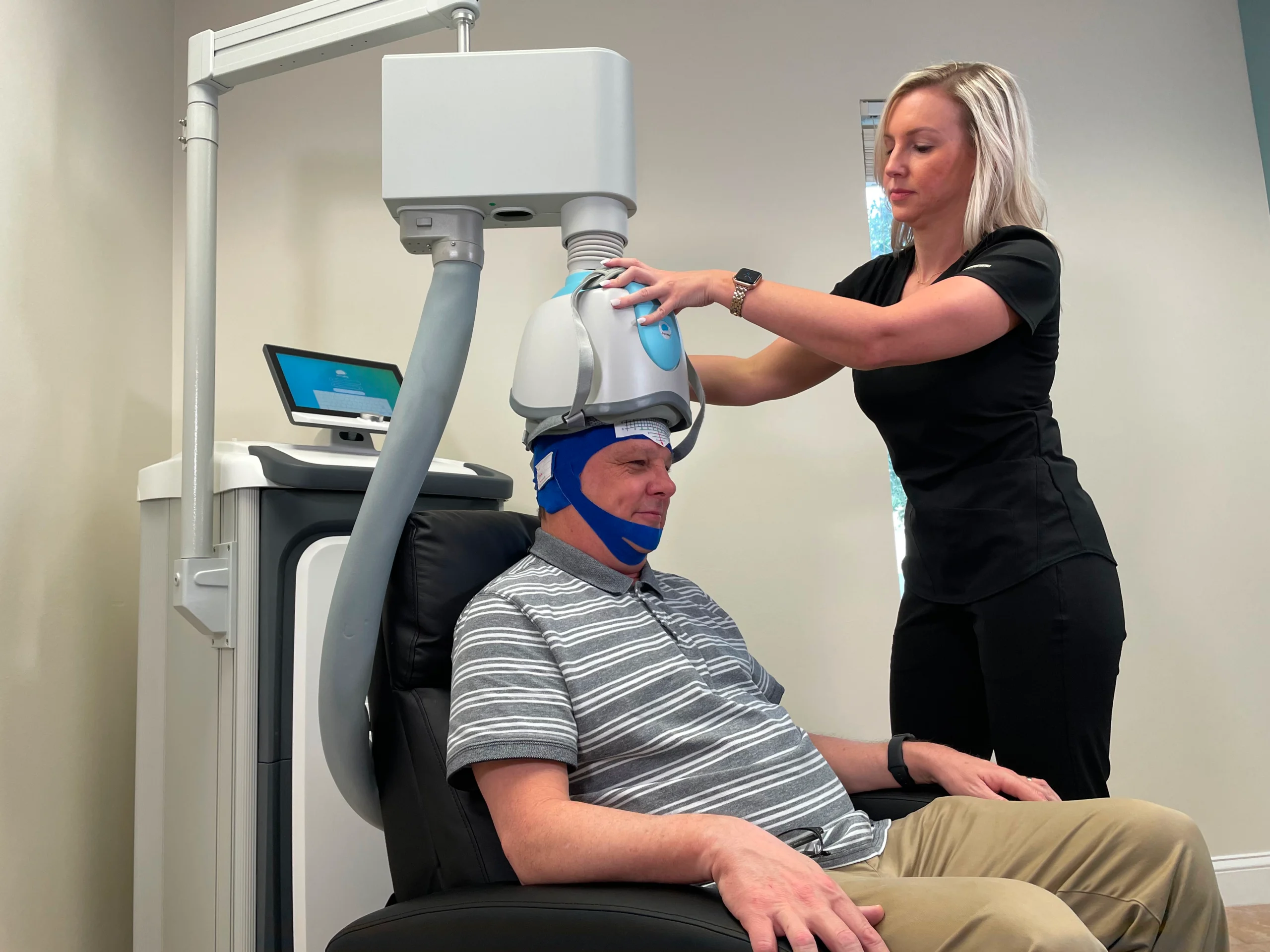
Your treatment timeline
Most patients begin with an initial treatment course followed by tapering or maintenance sessions based on their progress and symptoms.
Initial consultation
Clinical evaluation to determine if TMS is the right fit based on your symptoms and treatment history.
Acute treatment phase (Weeks 1–6)
Typically 5 sessions per week. Many patients begin noticing improvement within the first few weeks.
Tapering phase (Weeks 7–8)
Sessions gradually decrease as your clinical team monitors progress and adjusts treatment based on your response.
Maintenance & booster sessions (As needed)
Occasional sessions may help maintain progress and support long-term relief.
How we compare
TMS vs antidepressant medications for depression
Traditional antidepressants are often one of the first treatment options for mood symptoms, anxiety, and depression. When symptoms do not improve enough, TMS may offer another path forward with in-person medical supervision, structured monitoring, and integrated clinical support.
- Response Rate
- Works When Medications Haven’t
- Treatment Duration
- Medication Required
- Systemic Side Effects
- How It Works
The Recovery Team (TMS Therapy)
- Up to 60%
- Designed for treatment-resistant depression
- Structured 4–6 week treatment course
- No
- Minimal
- Activates areas of the brain involved in mood
Antidepressant Medications
- ~33%
- Often requires switching or adding medications
- Often requires ongoing use to maintain results
- Yes
- Common (weight gain, fatigue, emotional numbness)
- Alters brain chemistry system-wide
The Recovery Team (TMS Therapy)
Response Rate
- Up to 60%
Works When Medications Haven’t
- Designed for treatment-resistant depression
Treatment Duration
- Structured 4–6 week treatment course
Medication Required
- No
Systemic Side Effects
- Minimal
How It Works
- Activates areas of the brain involved in mood
Antidepressant Medications
Response Rate
- ~33%
Works When Medications Haven’t
- Often requires switching or adding medications
Treatment Duration
- Often requires ongoing use to maintain results
Medication Required
- Yes
Systemic Side Effects
- Common (weight gain, fatigue, emotional numbness)
How It Works
- Alters brain chemistry system-wide
Instead of continuing to switch medications, TMS offers a different approach, targeting the brain directly without adding another medication.
Insurance & affordability
We make getting started with TMS simple
Insurance-covered TMS therapy, coordinated for you
Starting TMS can feel like a big step, especially when it involves insurance approvals and a structured treatment schedule. Our team handles everything for you, from verifying your insurance to coordinating your treatment plan, so you know exactly what to expect before you begin.
Most major insurance plans cover TMS for depression, and many patients pay little to nothing out of pocket.
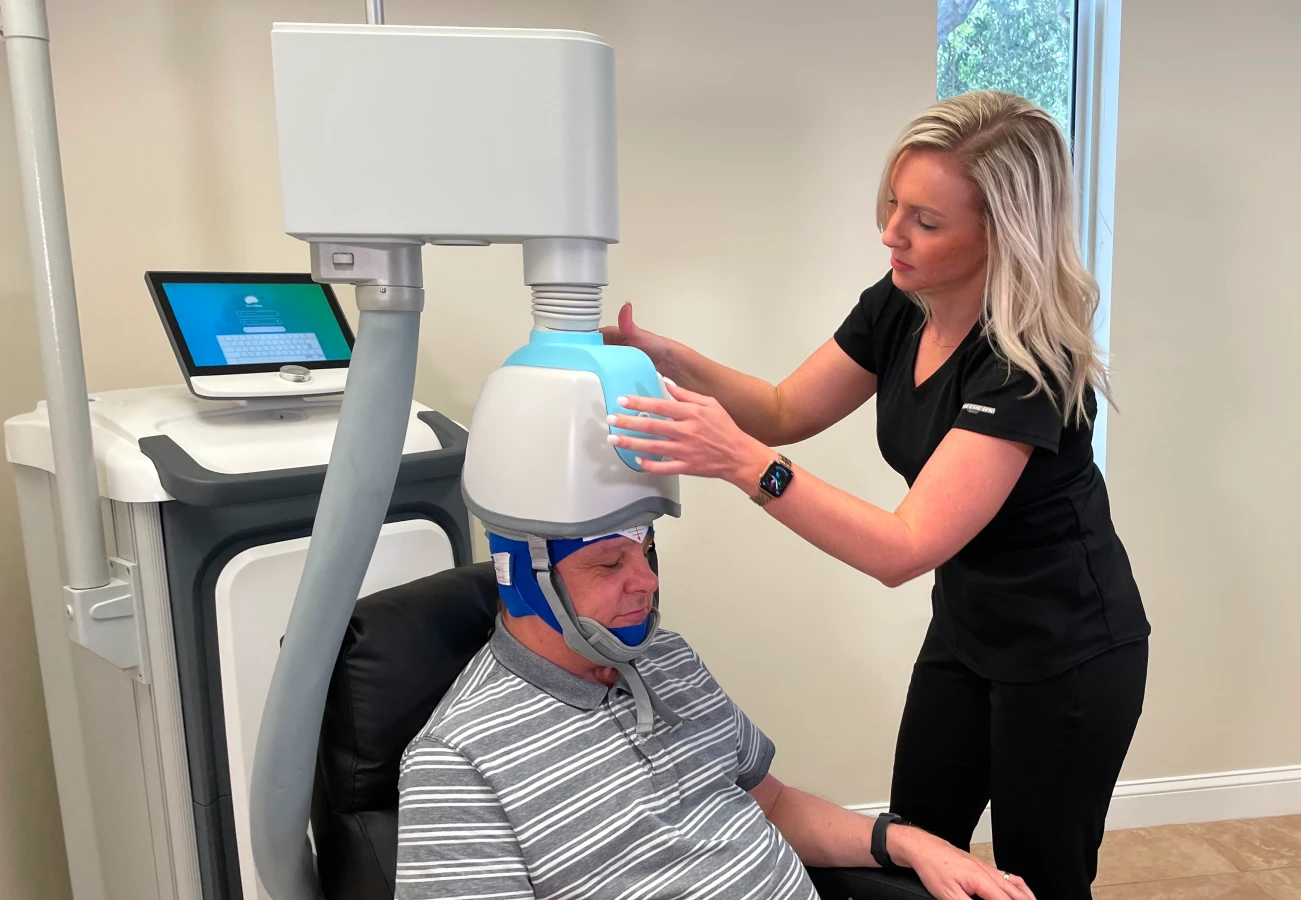
How verification works
You don’t need to navigate insurance alone. Our team handles everything, quickly and privately.
Free benefits check
We verify your coverage in minutes. No commitment, no paperwork from you.
Clear cost breakdown
We tell you exactly what to expect out-of-pocket before you start. No surprises.
Handle all approvals
Our team coordinates prior authorizations and scheduling so you can focus on getting better.
Your TMS session
What to expect during TMS therapy sessions
TMS treatment is simple and fits into your daily routine.
Relax in a comfortable environment
You’ll sit comfortably in a chair while a device delivers gentle magnetic pulses in a calm, private setting.
Gentle, non-invasive treatment
You may notice a light tapping sensation during treatment that isn’t painful, and no anesthesia or sedation is required.
Monitored for safety & support
Each session typically lasts about 20–30 minutes, and you’ll remain awake and alert the entire time while our team supports you throughout treatment.
Go home with support in place
Your care team regularly checks in on how you’re feeling and makes thoughtful adjustments to your treatment plan as you move through each session.
What the experience feels like
Most people find TMS sessions calming and reflective. Some feel relief the same day or after a few sessions.
Calming & introspective
Many patients describe a sense of calm and mental quiet during and after treatment.
Fast-acting for many
Some patients notice relief beginning the same day or within their first few sessions.
Fully supervised & safe
You’re never alone. Our team is present and attentive throughout every session.
Session duration: 20-30 Minutes
After your session, you can return to work, drive, and continue your day as usual.
Is TMS right for you?
Who is a good candidate for TMS Therapy treatment
TMS may be the right fit if any of the following describe you or your loved one:
Symptoms haven’t improved with other medications
You’ve tried antidepressants or other mental health medications and haven’t found lasting relief.
You don’t want to keep switching or adding medications
The cycle of trying new medications, therapy, or treatment plans with limited results can feel draining.
You’ve experienced side effects from medications
Weight gain, fatigue, emotional numbness, or other side effects can make staying on medications difficult.
You’re looking for a non-medication treatment option
If waiting weeks for another medication to work doesn’t feel sustainable, TMS offers a non-invasive treatment approach without adding another medication.
You’re dealing with depression along with anxiety or anxious depression
TMS is not an experimental therapy. It is an FDA-approved treatment offered with clinical supervision and medical monitoring.
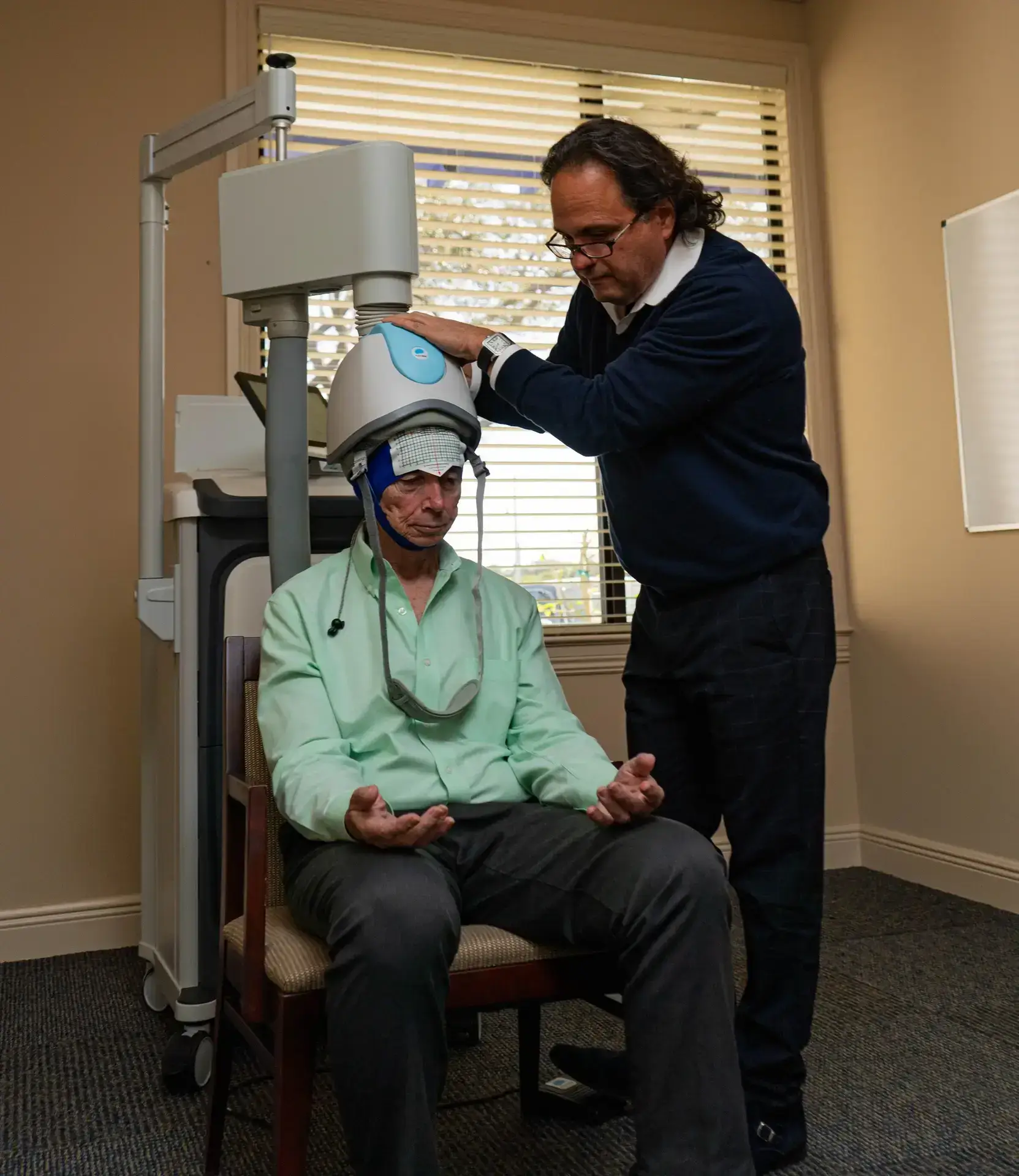
If nothing has worked so far — it doesn't mean nothing will.
TMS offers a different approach, one that targets a different part of the brain than everything you’ve already tried.
60%
Experience significant improvement
$0
Many patients pay with insurance
Why choose us
You're not just getting TMS. You're getting a full clinical team.
At The Recovery Team, you have access to a complete care team focused on helping you actually feel better, not just managing symptoms.
Our care is personalized to your symptoms and history, doctor-supervised with experienced providers guiding every step, and integrated — combining medication, therapy, and mental health support under one roof.
Personalized
Your treatment plan is tailored to your symptoms, history, and goals
Doctor-Supervised
TMS is delivered under medical oversight with ongoing monitoring throughout treatment
Integrated Care
TMS can be combined with therapy and other mental health services for a more complete approach
Structured and Consistent
A clear 4–6 week treatment plan designed for real, measurable progress
You also have access to advanced treatments not widely available
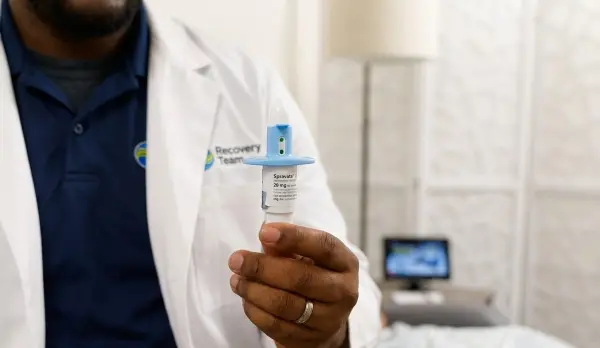
An FDA-approved ketamine-based treatment for depression designed to provide relief when traditional medications haven’t worked.

Genetic testing that helps guide medication choices based on your unique biology — so you’re not guessing what will work.
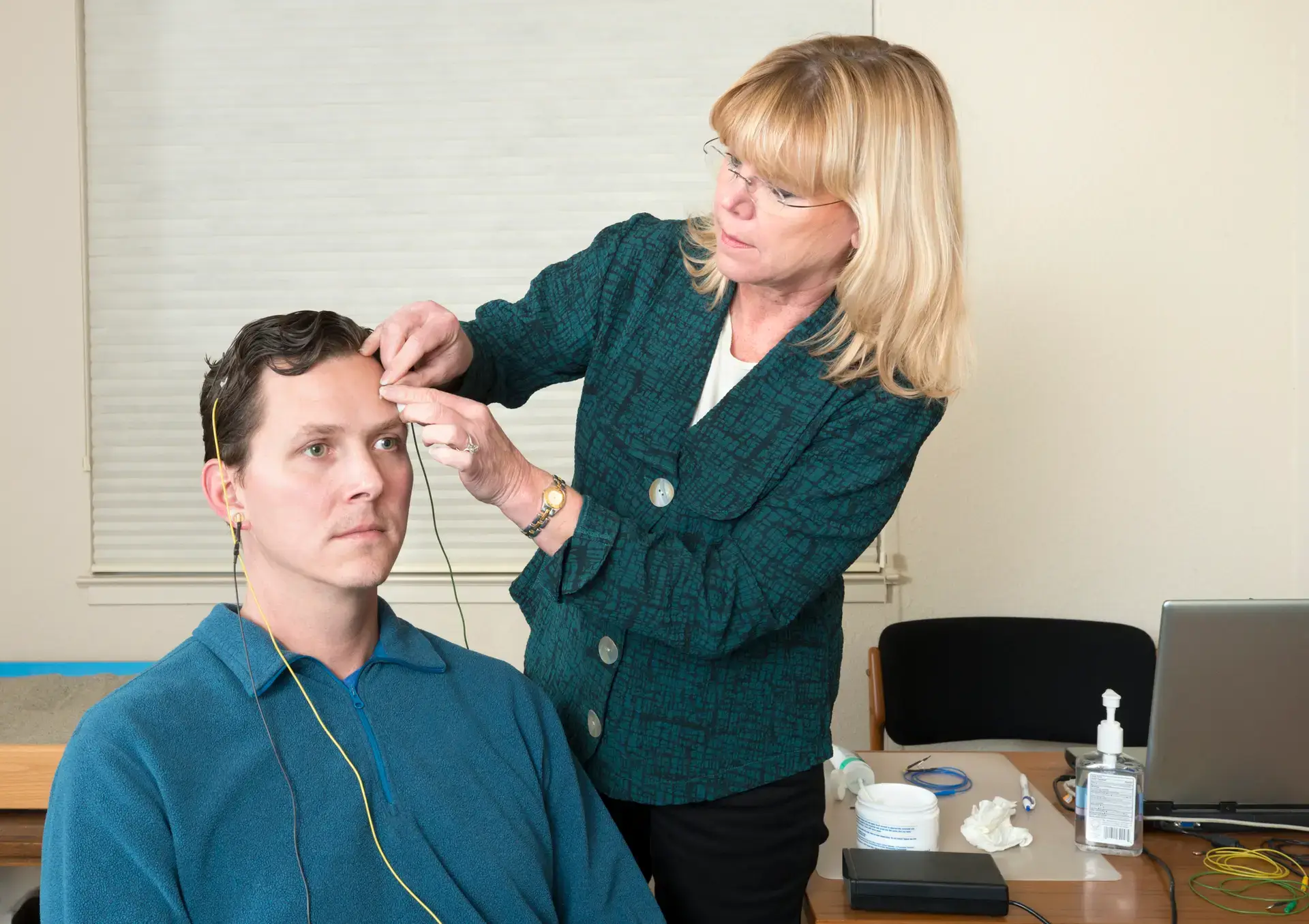
Learn to manage your body’s stress response using real-time physiological data — a powerful tool for anxiety and depression.

Eye Movement Desensitization and Reprocessing — an evidence-based therapy for processing trauma and its effects on mood.
- Available Now — Most Insurance Accepted
- Available Now
Start feeling better without another medication
If antidepressants haven’t worked or haven’t given you the relief you need, TMS offers a different way to actually treat depression.
A non-invasive, drug-free treatment that targets the areas of the brain involved in mood, helping many people finally experience real improvement.
Most patients are able to get started quickly once insurance is verified.